
Long-term Development Plan for the Wuxi Wudi He Lu City Ruins Museum
Release time:
2024-02-27
The Helu City Ruins are an extremely precious historical and cultural heritage site in Wuxi, and were the capital city of Helu, one of the Five Hegemons of the Spring and Autumn period. Construction of the city began in the first year of Helu's reign (the sixth year of King Jing of Zhou, 514 BC), and it has a history of over 2500 years.
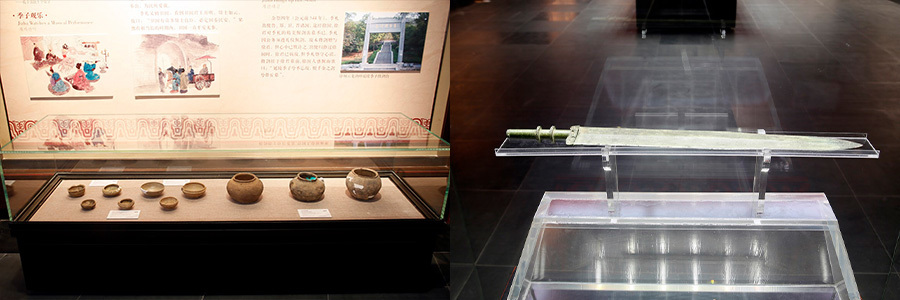
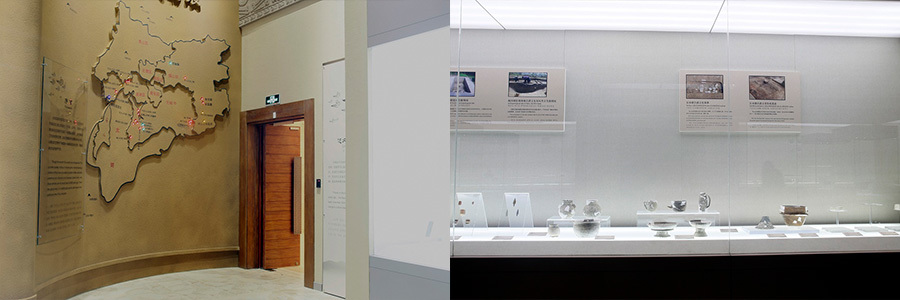
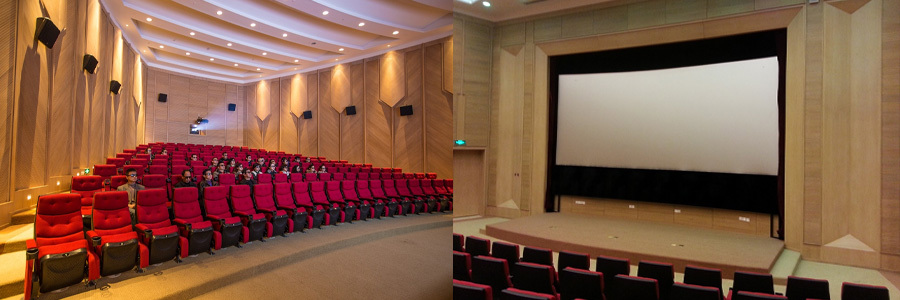
The architectural design of the Helu City Ruins Museum is smooth and flowing, resembling a phoenix breaking out of its shell. This symbolizes the "phoenix nirvana," signifying the rebirth and renewed glory of Helu City after 2500 years. The museum integrates relic exhibition, archaeological research, science education, and cultural leisure. It is divided into two main sections: the main building exhibition area and the annex building, the Wu Culture Exchange and Research Center. The exhibition area showcases the archaeological process of the Helu City ruins and the humanistic spirit of King Helu through relics, a 3D cinema, and the multimedia hall "Magnificent: Helu." The Wu Culture Exchange and Research Center primarily serves the function of promoting research and exchange of Wu culture.
The Helu City Ruins Museum is the core project of the overall Helu Capital City project of the China Wu Culture Expo Park. It is a landmark project at the origin of Wu culture and serves as a center for inheritance, display, research, and experience of Wu culture in China.
General Secretary Xi Jinping once pointed out that "in measuring the quality and level of cultural industry development, the most important thing is not to look at economic benefits, but to see whether it can provide more cultural products that can both meet the cultural needs of the people and enhance their spiritual strength." Based on this guiding ideology, Helu City will leverage its existing historical and cultural resources, natural conditions, and development layout advantages to prioritize the development of a "research and study" integrated development path. Through internal potential excavation and deepening alliance cooperation, it will further enhance and strengthen the integrated development of "culture, research, and tourism."
(1) Excavating the inherent potential of "research and study," and leading the way with diverse cultural value displays.
1.Improve the research and organization of historical elements.
Effectively collect and systematically organize cultural relics, literary allusions, and historical legends within the ruins park. Encourage more archaeological teams to participate in research, jointly analyzing the commonalities and characteristics of regional cultural resources. This will effectively connect cultural resources, allowing for a deeper exploration of the potential for the protection and utilization of the site's cultural resources, highlighting the narrative, continuity, and inheritance. This will showcase the cultural value of Helu and continue the lineage of Wu culture, enhancing its cultural leadership.
2.Seeking overall protection and utilization of the site.
As the most important physical exhibition project of the Helu City Ruins Park, building on existing protection and utilization, efforts should be made to actively seek support from higher levels for the "Helu City Ruins East Xiaocheng City Wall and Moat Protection and Exhibition Project." This involves actively working towards project approval at the State Administration of Cultural Heritage level and comprehensively promoting corresponding archaeological research. Further, through the display of unearthed cultural relics from East Xiaocheng and the overall project, a three-dimensional presentation of the cultural value and the urgency of comprehensive protection and utilization of the Helu ancient city ruins will be provided to society. It aims to seek greater consensus and advocacy from higher levels for the protection and utilization of the Helu City, coordinating with Changzhou to jointly protect and utilize the Helu City ruins from top to bottom.
(2) Exploring outward "research and study" cooperation and developing innovative project formats.
1.Strengthening archaeological platform alliance cooperation.
Fully promote the operation of the East China Base of the Institute of Archaeology, Chinese Academy of Social Sciences, and the East China Work Station of the National Key Research Base for Cultural Relic Protection at Archaeological Excavation Sites of the State Administration of Cultural Heritage. Further, in collaboration with the Wuxi Municipal Institute of Archaeology and Cultural Relics, strategic cooperation will be carried out around the platform. Based on exploring an integrated social operation mechanism, it will focus on the entire process of archaeological research for key projects and topics, increase investment in scientific research elements, optimize the allocation of experimental resources, strengthen multi-disciplinary collaboration, and improve the scientific and technological innovation capabilities and the level of technological application in the field of cultural relics. At the same time, it will promote the East China Work Station to drive archaeological research, talent cultivation, technical training, museum exhibition, and cultural education through technology, deepen the implementation of the protection and utilization of cultural relics, deepen the regional integration of "culture, research, and tourism," and build a deeply integrated scientific and technological innovation system for cultural relics.
2.Promoting school-enterprise cooperation on cultural relics platforms.
Focusing on museum relics and revolutionary exhibition resources, actively exploring and planning characteristic research and study activities. Also, continue to deepen the provincial education demonstration project, "I Built an Ancient City in Lujiang – Carpentry Experience Course," and other series of products. Combining the developmental characteristics of research and study in the new era and the cultural needs of specific groups, opening up interlinked research and study routes, and red-themed courses, this will provide a rich Helu cultural experience for a wider range of clients, including enterprises and institutions, schools, and families.
3.Coordinating rural revitalization platform and tourism cooperation.
Actively drawing on models such as the Anji Ancient City Ruins Museum's research and study project, assisting in the integrated operation of the Xiaonanwan research and study camp, and connecting museum tourism resources, the research and study routes will be planned for the Helu City Museum and the Xiaonanwan rural revitalization complex. This will explore the innovative operation model of "culture + countryside," continuously seeking the integrated development of rural revitalization and Wu culture, and further improving the research and study tourism effectiveness of Helu City.
(3) Deepening the application of "research and study" elements to enhance the effects of cultural tourism integration.
1.Empowering with research and study, and leveraging complementary advantages.
Based on the existing functional layout and the characteristics of the resources in each section, efforts will be made to create a complementary integrated development pattern. Empowering the development of the site with research and study, new formats, new scenarios, and new functions will be innovatively integrated. This will involve field study practices on topics such as East Xiaocheng, Longshan Stone Wall, and Gu Xu Lake, allowing for a profound understanding of the charm of cultural heritage development. Research and study will "activate" the development of cultural relics, adding impetus to museum exhibition innovation, allowing visitors to understand cultural relics, perceive history, and love culture. Research and study will serve as a "tool" to connect resources, geographically forming interconnectivity and further activating the interaction between East Xiaocheng ruins, Longshan stone chamber earth mound tombs, Longshan stone wall ruins, Gu Xu Lake, the museum, the East China Base, and Xiaonanwan rural revitalization complex, creating a unique integrated development path of "site archaeological research and study – base experimental research and study – museum immersive research and study – rural revitalization ecological research and study." This will establish a sustainable development model with a "multi-directional friendly" relationship between people, culture, history, space, and science.
2.Increasing momentum through research and study, and boosting attraction and influence.
Promoting the intelligent and digital upgrading of the Helu City Ruins Park, planning and developing digital products, leveraging new media traffic to boost momentum, and cooperating with well-known Brands to tell the story of Helu and showcase the charm of culture, research and tourism projects. Through the use of new forms such as short videos and live broadcasts on popular platforms, publicity and guidance will be strengthened, and attention will be drawn. By capturing the needs of young people for cultural consumption, through the cooperative planning of new media, the audience for research and study will be expanded. By constantly innovating, efforts will be made to create a recognizable Wu culture Brand, allowing more young audiences to understand Helu, yearn for Helu, and comprehensively improve the cultural influence, attractiveness, and appeal of the Helu City Ruins Park.
3.Promoting the application and realizing the effectiveness of results transformation.
Leveraging the advantages of the "one-stop, one-base" archaeological research platform, making full use of important archaeological experimental facilities such as the "Exploration and Research Cabin," promoting multi-party strategic cooperation, exploring and planning cultural activities such as laboratory research and study practice and live-streamed archaeological exploration around key scientific research projects, and coordinating the work mechanism for prioritizing the display of platform archaeological achievements at the Helu City Museum; strengthening the transformation of scientific research achievements, building the East China base into a source of knowledge innovation and scientific and technological achievement transfer and dissemination, establishing a comprehensive scientific evaluation system for cultural relic protection technology covering the entire cycle of "laboratory research-experimental observation-optimization and improvement-application demonstration-post-application monitoring," forming a virtuous cycle of "attracting projects through mechanisms and innovating mechanisms through projects," and fully reflecting the effectiveness of achievement transformation.
Wuxi Helu City Ruins Museum
2023Year6Month25Day

Previous Page
Next Page
Previous Page
Next Page
Related News
Copyright©2025 Helv Relics Museum Powered by www.300.cn
Commodity Details
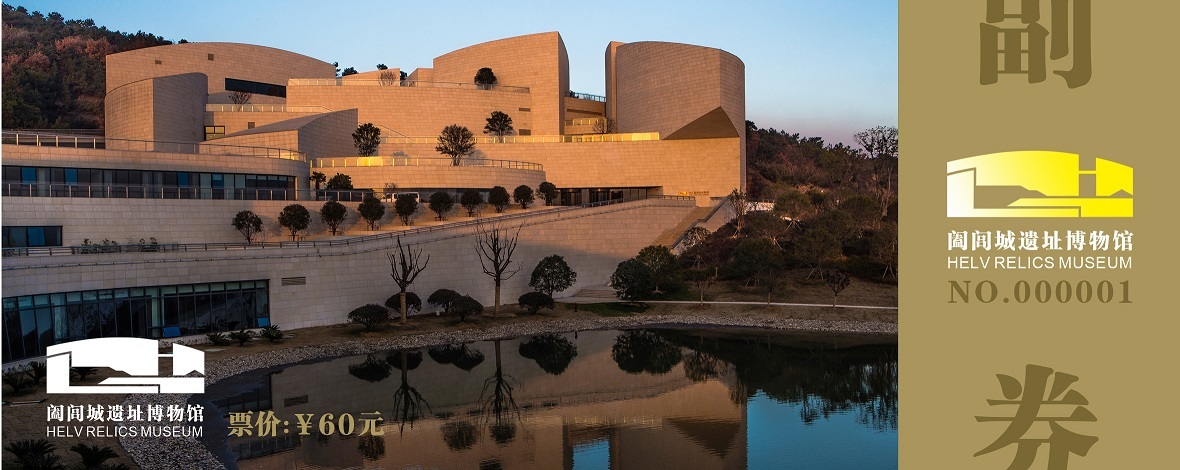
Product name: Museum tickets (including multimedia interactive show)
Commodity number: not set
Classification: He Lu
Shelf time: 2016-04-28
No detailed description
Commodity Details
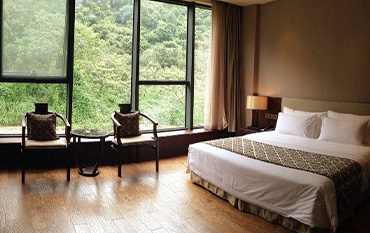
Product Name: Wenbo House-Accommodation
Commodity number: not set
Classification: He Lu
Shelf time: 2016-04-28
Wuxi Junlai Wenbo House is located on the bank of the beautiful Taihu Lake-Mashan, close to the Helu City Museum, facing Taihu Lake, with green mountains and green waters and beautiful scenery.
Wuxi Junlai Wenbo House is managed by Wuxi Junlai Hotel Management Group. It is a characteristic hotel with the theme of "Wu Culture". It now has many boutique guest rooms with perfect and comfortable rooms. After you have experienced the tiredness of the journey, you can enjoy a relaxed and new sensory experience in a quiet and comfortable environment, creating a warm and comfortable "home away from home" for guests ".
The hotel is also equipped with a 400-square-meter pillorless banquet hall, equipped with complete meeting and banquet facilities, which can undertake various meetings, theme banquets and social activities for 250 people. There are also 8 special rooms with lake views, based on Huaiyang cuisine., With the characteristics of "Wu Dicai" and "Mashan Farmhouse Cuisine", accompany you into the journey of healthy food.
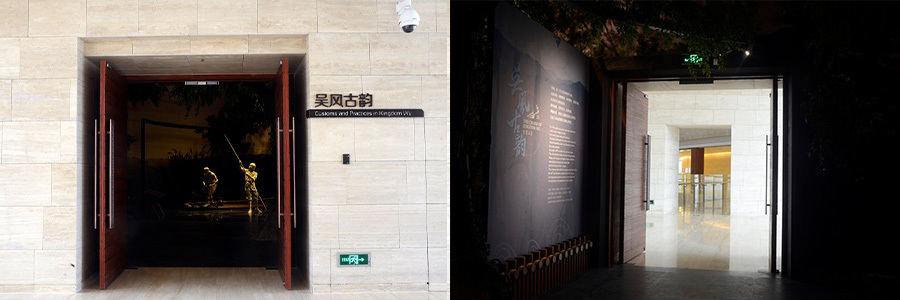
He Lu Xiongfeng Hall
He Lv Xiongfeng Hall, through a wealth of exhibition means to fully explain the historical outlook of Wu Wang He Lv and He Lv City, highlighting the humanistic spirit of Wu Wang He Lv's efforts to govern, clean and friendly to the people, appointing people on their merits, and his ambition to compete for hegemony and build a strong army.
Commodity Details
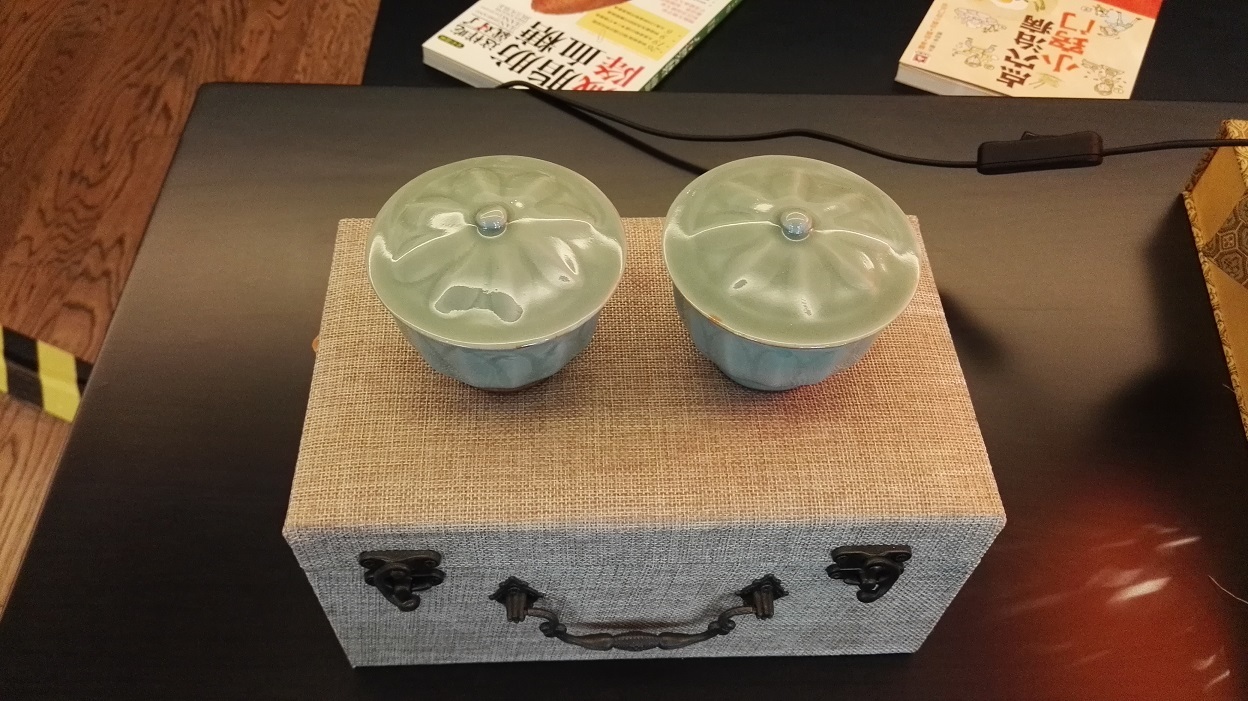
Product name: imitation song lotus cup
Commodity number: not set
Classification: He Lu
Shelf time: 2016-04-20
At the end of the Southern Song Dynasty, Longquan kiln powder green glaze chrysanthemum valve. The calamis has a deep arc abdomen and a small circle of feet. The edge of the mouth and the abdomen are made into chrysanthemum petals. Therefore, the scientific name "chrysanthemum petals" is also called "lotus seed cup". The full body of the utensils is applied with a thick glaze of powdery green opacity, and the glaze color is extremely warm and moist, with only the exposed tire at the foot end showing a light red color. This is full of type, regular process, beautiful and elegant, is the end of the Southern Song Dynasty Longquan kiln Xikou kiln firing high-grade diet tea matching utensils.
This lotus seed cup imitates the shape of Longquan celadon lotus seed cup in the Southern Song Dynasty, with a stable and correct shape. Lotus seeds have the meaning of lovesickness, love as pure and loyal as water, long and distant.
Commodity Details
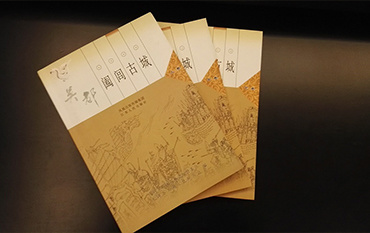
Product Name: "Wu Du He Lu Ancient City Three Volumes"
Commodity number: not set
Classification: He Lu
Shelf time: 2016-04-20
Basic information:
Edited by: Wuxi Wudu Helu Ancient City Site Management Committee, Wuxi Taihu Culture Research Association
Publisher: Jiangsu People's Publishing House
Pageback: 209 pages
Language: Simplified Chinese
Opening: 16
Introduction:
The series of "Wu du he Lu ancient city" is divided into three volumes: first, middle and second. The first volume is a selection of 29 ancient books (paragraphs) and 131 ancient and modern poems. The middle volume compiles 8 articles of "He Lu Xiong Feng", 12 articles of "Wu Yue Qunying", 27 articles of "Legend of Allusions" and 60 articles of "Tracing and Visiting Trail. The second volume consists of three parts. The first part is "Site Overview", which introduces the current situation of the Helu City site and the investigation of archaeology; the second part "The Road to Cultural Protection" introduces the discovery, protection, planning and development of the site; In the last part of "Exploration and Research", 15 papers by relevant experts and scholars are included. These articles focus on the history and current situation of the Helu City site, it provides a theoretical basis for the protection and construction of the site of Helu City.
This series of books is easy to understand, with pictures and texts. It is a good book for the general public to understand the ancient city of Helu.
Commodity Details
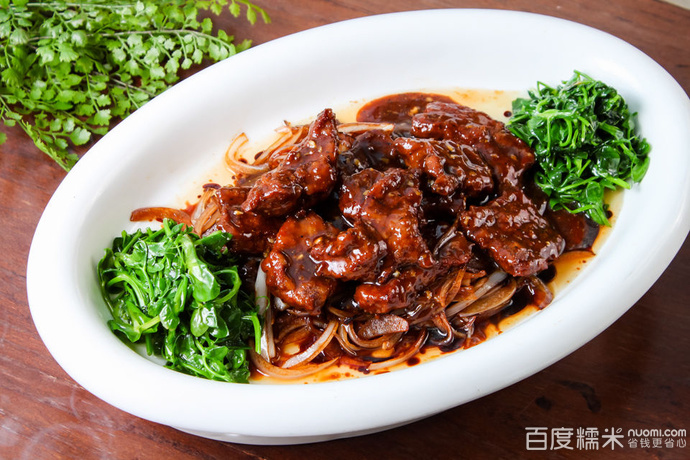
Product Name: Wenbo House-Catering
Commodity number: not set
Classification: He Lu
Shelf time: 2016-04-27
No detailed introduction
Commodity Details
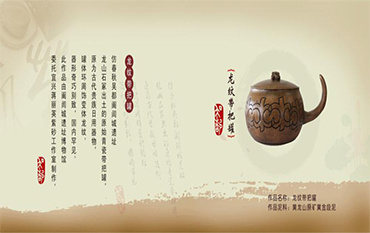
Product name: dragon pattern with a can
Commodity number: not set
Classification: He Lu
Shelf time: 2016-04-15
Imitation of the original celadon with a jar unearthed from the Longshan stone mound at the site of Helu City in Wudu in the Spring and Autumn Period, it was originally an ancient aristocratic daily-use utensils. The jar body is decorated with dragon patterns, and its shape is unique, which is rare in China. This work was commissioned by the Helu City Ruins Museum to produce the Yixing Jiang Liying Purple Sand Studio.