
The "Spring and Autumn Hegemon" exhibition will be open to the public.
Release time:
2022-08-25
Wu State, with its fierce and valiant demeanor, flourished on the historical stage during the late Spring and Autumn period. Outstanding talents, advanced military concepts, and a powerful military force combined to create the glory of King Helü's reign. With the planning and assistance of Sun Wu and Wu Zixu, Helü conquered Ying, the capital of Chu, achieving invincibility. Among his victories, the Battle of Boju was the most significant in the Wu-Chu War.
The Battle of Boju took place in 506 BC. King Helü of Wu, assisted by Wu Zixu and Sun Wu, led an army of 30,000, along with allied forces from Cai and Tang. They launched a long-distance raid, surprising the Chu army at Boju. Winning five consecutive battles, they ultimately conquered Ying, the capital of Chu, shaking the Central Plains. Wu State thus became the hegemon of the late Spring and Autumn period.
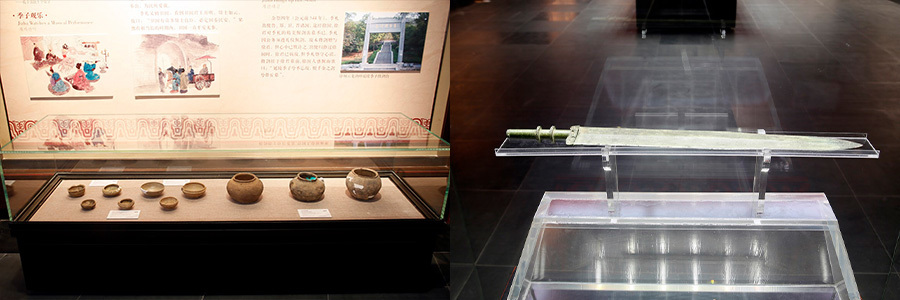
To vividly depict this battle and as a key component of the main exhibition hall "Helü's Mighty Wind", the "Hegemon of the Late Spring and Autumn Period" exhibition will open to the public on August 27. The exhibition will primarily recreate the course of the Battle of Boju through scenes and oil paintings, along with bronze artifacts from Wu, Cai, Tang, and Zeng states borrowed from Suizhou Museum and other institutions. The exhibited bronzes are mainly weapons. One bronze halberd, unearthed in 2013 from the Wenfeng Pagoda tomb site in Suizhou, bears the gold-inlaid bird seal inscription "Used by Wu Prince Guang." This indicates that it was made for Wu Prince Guang, the later King Helü. Based on inscriptions on other funerary objects from the same tomb, the tomb owner was Zeng Sun Shao, who served as the "Grand Sima" of the Sui (Zeng) state. After the Battle of Boju, Ying was captured and King Zhao of Chu fled to Sui, where he received protection. The unearthed "Wu Prince Guang halberd" in a Zeng state noble's tomb may have a significant connection to the Battle of Boju.
The exhibition will open on August 27, with borrowed artifacts on display for one year. The first-class relic "Wu Prince Guang halberd" and the third-class relic "Tang Hou-made Sui Lady Ding" will be exhibited until December 15 this year. The exhibition is located in the left front of the exit of the second floor's main exhibition hall, "Helü's Mighty Wind." The Helü City Ruins Museum sincerely welcomes history enthusiasts to come and explore.

Related News
Copyright©2025 Helv Relics Museum Powered by www.300.cn
Commodity Details
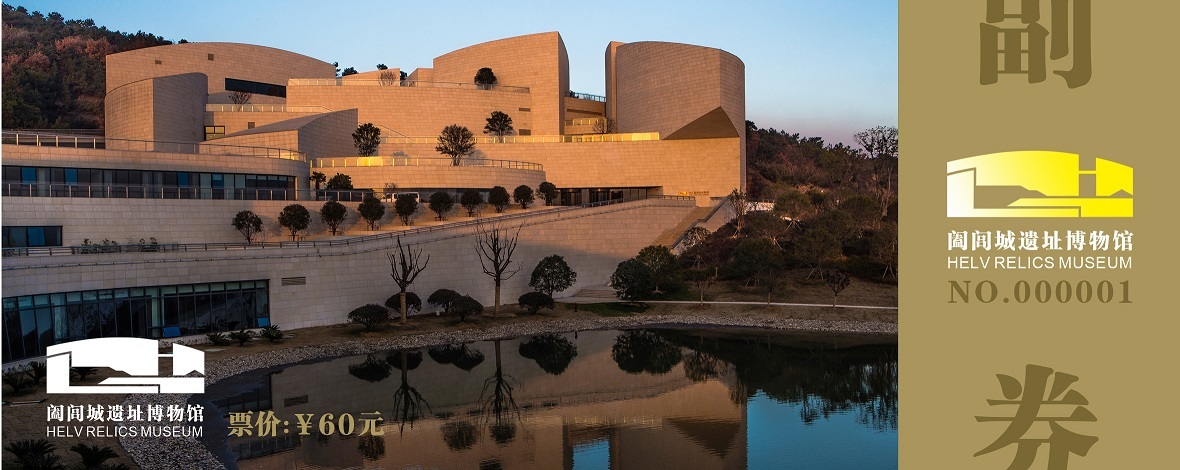
Product name: Museum tickets (including multimedia interactive show)
Commodity number: not set
Classification: He Lu
Shelf time: 2016-04-28
No detailed description
Commodity Details
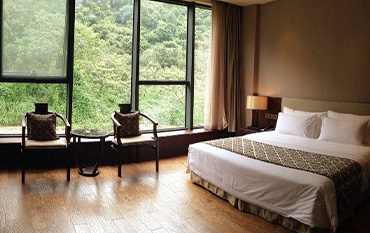
Product Name: Wenbo House-Accommodation
Commodity number: not set
Classification: He Lu
Shelf time: 2016-04-28
Wuxi Junlai Wenbo House is located on the bank of the beautiful Taihu Lake-Mashan, close to the Helu City Museum, facing Taihu Lake, with green mountains and green waters and beautiful scenery.
Wuxi Junlai Wenbo House is managed by Wuxi Junlai Hotel Management Group. It is a characteristic hotel with the theme of "Wu Culture". It now has many boutique guest rooms with perfect and comfortable rooms. After you have experienced the tiredness of the journey, you can enjoy a relaxed and new sensory experience in a quiet and comfortable environment, creating a warm and comfortable "home away from home" for guests ".
The hotel is also equipped with a 400-square-meter pillorless banquet hall, equipped with complete meeting and banquet facilities, which can undertake various meetings, theme banquets and social activities for 250 people. There are also 8 special rooms with lake views, based on Huaiyang cuisine., With the characteristics of "Wu Dicai" and "Mashan Farmhouse Cuisine", accompany you into the journey of healthy food.
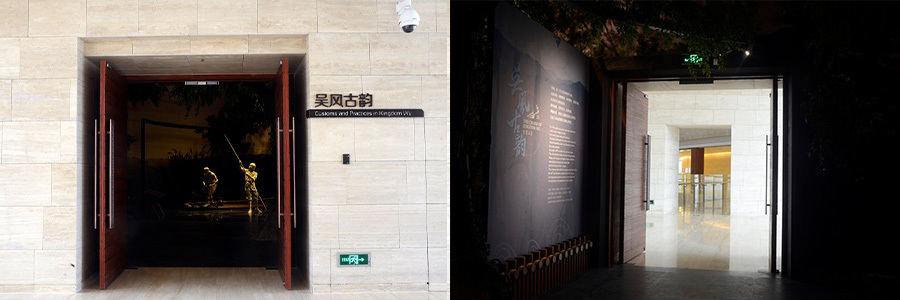
He Lu Xiongfeng Hall
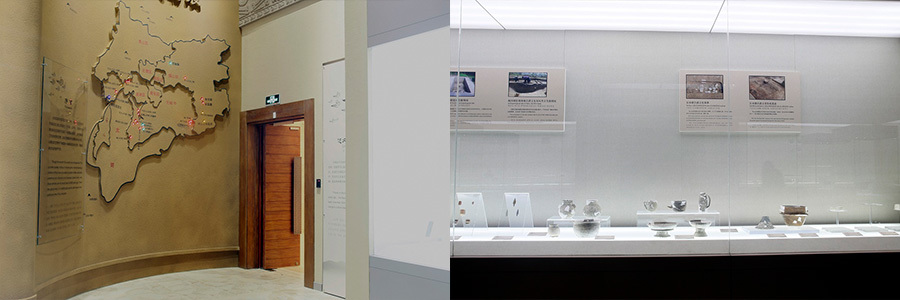
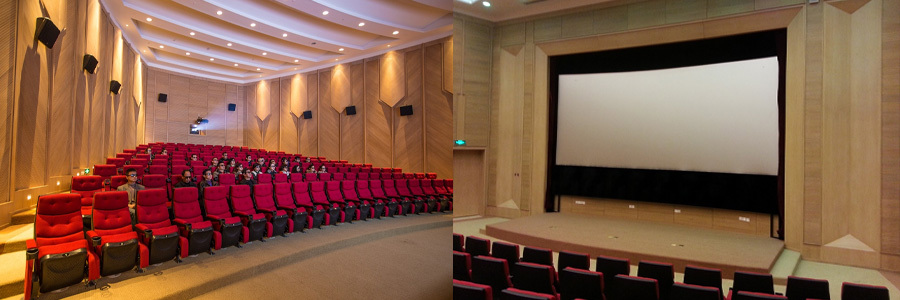
He Lv Xiongfeng Hall, through a wealth of exhibition means to fully explain the historical outlook of Wu Wang He Lv and He Lv City, highlighting the humanistic spirit of Wu Wang He Lv's efforts to govern, clean and friendly to the people, appointing people on their merits, and his ambition to compete for hegemony and build a strong army.
Commodity Details
Product name: imitation song lotus cup
Commodity number: not set
Classification: He Lu
Shelf time: 2016-04-20
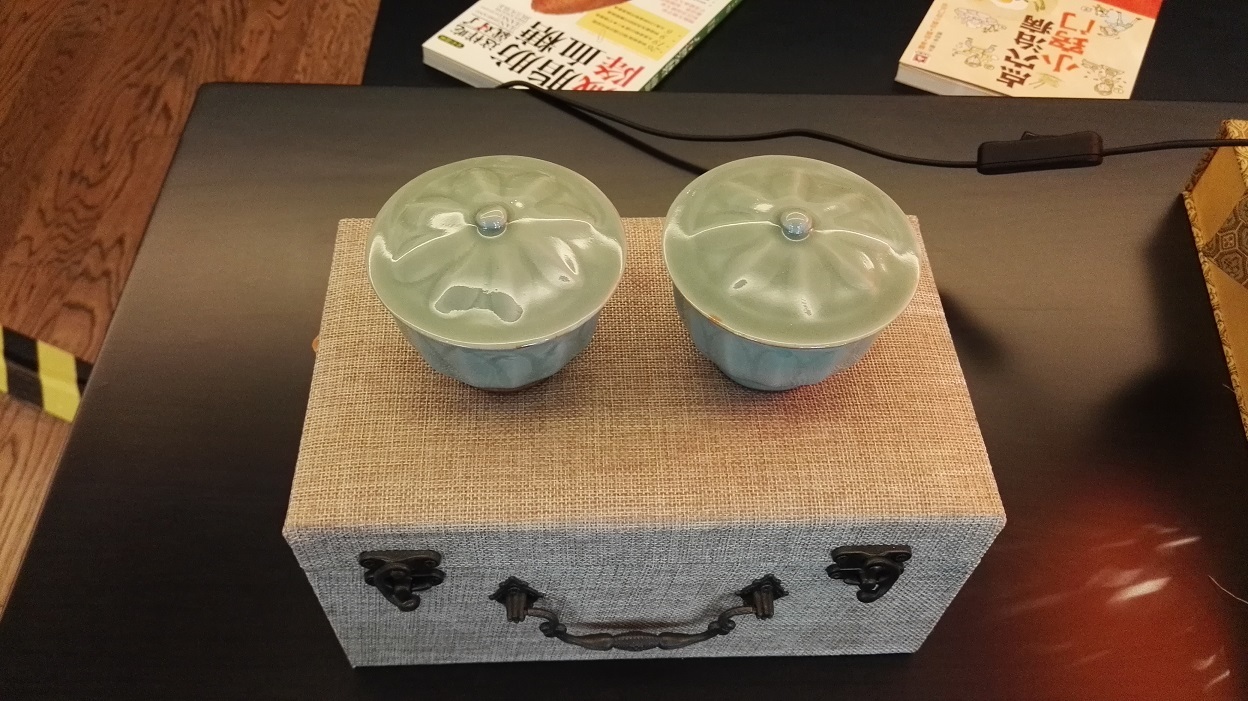
At the end of the Southern Song Dynasty, Longquan kiln powder green glaze chrysanthemum valve. The calamis has a deep arc abdomen and a small circle of feet. The edge of the mouth and the abdomen are made into chrysanthemum petals. Therefore, the scientific name "chrysanthemum petals" is also called "lotus seed cup". The full body of the utensils is applied with a thick glaze of powdery green opacity, and the glaze color is extremely warm and moist, with only the exposed tire at the foot end showing a light red color. This is full of type, regular process, beautiful and elegant, is the end of the Southern Song Dynasty Longquan kiln Xikou kiln firing high-grade diet tea matching utensils.
This lotus seed cup imitates the shape of Longquan celadon lotus seed cup in the Southern Song Dynasty, with a stable and correct shape. Lotus seeds have the meaning of lovesickness, love as pure and loyal as water, long and distant.
Commodity Details
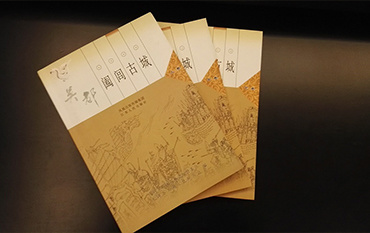
Product Name: "Wu Du He Lu Ancient City Three Volumes"
Commodity number: not set
Classification: He Lu
Shelf time: 2016-04-20
Basic information:
Edited by: Wuxi Wudu Helu Ancient City Site Management Committee, Wuxi Taihu Culture Research Association
Publisher: Jiangsu People's Publishing House
Pageback: 209 pages
Language: Simplified Chinese
Opening: 16
Introduction:
The series of "Wu du he Lu ancient city" is divided into three volumes: first, middle and second. The first volume is a selection of 29 ancient books (paragraphs) and 131 ancient and modern poems. The middle volume compiles 8 articles of "He Lu Xiong Feng", 12 articles of "Wu Yue Qunying", 27 articles of "Legend of Allusions" and 60 articles of "Tracing and Visiting Trail. The second volume consists of three parts. The first part is "Site Overview", which introduces the current situation of the Helu City site and the investigation of archaeology; the second part "The Road to Cultural Protection" introduces the discovery, protection, planning and development of the site; In the last part of "Exploration and Research", 15 papers by relevant experts and scholars are included. These articles focus on the history and current situation of the Helu City site, it provides a theoretical basis for the protection and construction of the site of Helu City.
This series of books is easy to understand, with pictures and texts. It is a good book for the general public to understand the ancient city of Helu.
Commodity Details
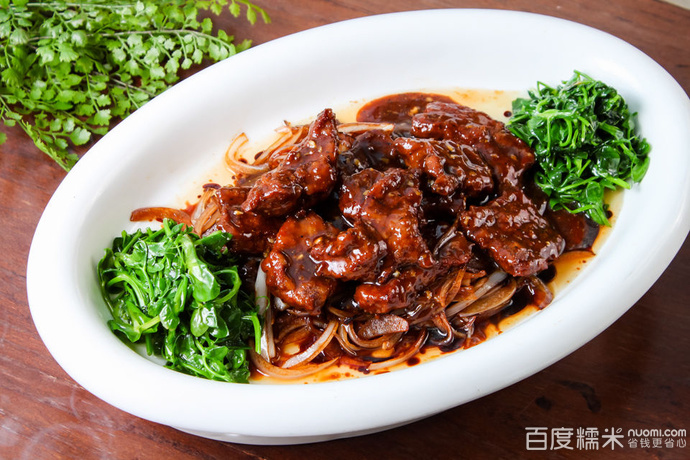
Product Name: Wenbo House-Catering
Commodity number: not set
Classification: He Lu
Shelf time: 2016-04-27
No detailed introduction
Commodity Details
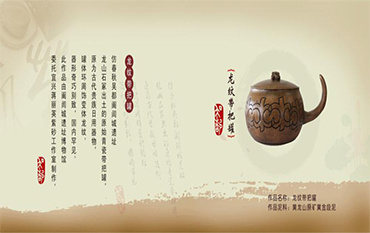
Product name: dragon pattern with a can
Commodity number: not set
Classification: He Lu
Shelf time: 2016-04-15
Imitation of the original celadon with a jar unearthed from the Longshan stone mound at the site of Helu City in Wudu in the Spring and Autumn Period, it was originally an ancient aristocratic daily-use utensils. The jar body is decorated with dragon patterns, and its shape is unique, which is rare in China. This work was commissioned by the Helu City Ruins Museum to produce the Yixing Jiang Liying Purple Sand Studio.